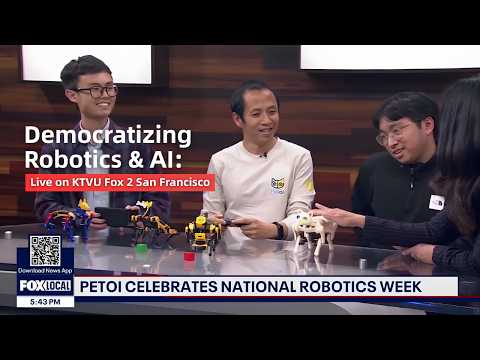

From interactive stuffed animals to AI-powered companions, robot pets are becoming one of the hottest trends in STEM (Science, Technology, Engineering, and Math) education. Parents often ask: Are robot pets good for kids? The short answer is yes, but with the right product and approach.
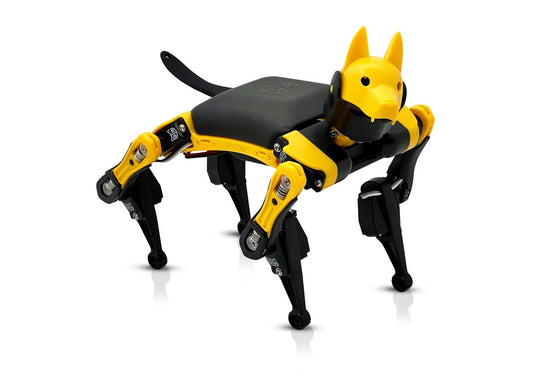
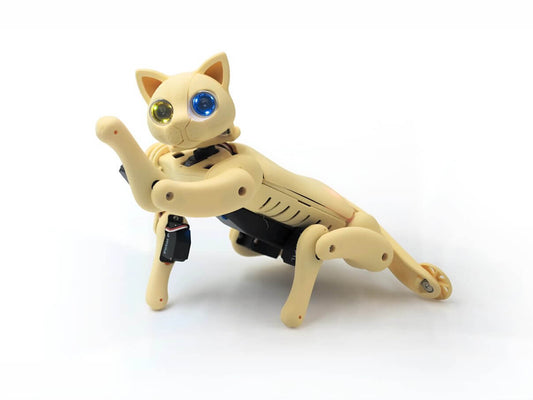
Robot pets like Petoi Bittle X (a lifelike open source robotic dog) and Nybble Q (an adorable open source robotic cat) go beyond play. They introduce children to robotics, coding, and problem-solving while offering companionship that's educational and engaging.

This article explores the benefits, challenges, and recommended use cases of robot pets for kids, and why Petoi's robot companions stand out.
Table of Contents
More Than Just a Toy: The Educational Power of Robot Pets
The most immediate and profound benefit of robot pets, especially those that kids can build and program, lies in their immense educational value. They transform abstract STEM concepts into tangible, interactive experiences.
Introduction to STEM (Science, Technology, Engineering, Math)
Robot pets are a gateway to STEM fields, often sparking a lifelong interest in technology. Unlike passive toys, buildable robot pets like the Petoi Bittle X and Nybble Q engage children directly in:
- Science: Understanding basic physics (balance, speed, motion, gravity) and animal biomechanics (how real animals move).
- Technology: Learning about microcontrollers, servo motors, and sensors – the fundamental components of modern robotics.
- Engineering: Following step-by-step instructions to assemble a complex mechanical system, troubleshooting issues, and designing custom modifications.
- Math: Applying concepts of angles, measurements, and spatial reasoning during assembly and programming.
Hands-On Learning and Problem-Solving

One of the greatest advantages of a robot pet like the Petoi Bittle X or Nybble Q is the emphasis on hands-on learning. Kids aren't just consumers; they are creators.
- Assembly Skills: Building the robot from individual components (3D-printed parts, circuit board, motors) develops fine motor skills, spatial reasoning, and the ability to follow complex instructions. This is a far more engaging task than merely controlling a robot toy.
- Troubleshooting: When something doesn't work as expected, children learn to identify problems, hypothesize solutions, and test them. This iterative problem-solving process is invaluable in all aspects of life.
- Patience and Persistence: Complex builds require patience. Kids learn that not everything works perfectly the first time and that persistence leads to success.
Introduction to Programming and Coding
Perhaps the most significant educational benefit is the introduction to coding. Programmable robot pets make programming concrete and exciting.
- Visual Programming (Block-Based): Petoi robots utilize beginner-friendly, block-based coding environments. Children can drag and drop graphical blocks to create sequences of movements, sounds, and reactions. This visual approach simplifies complex syntax, making coding accessible even to elementary-aged children. They immediately see their code translate into their robot dog or cat's actions.
- Text-Based Coding (C++/Python): For older children or those ready for the next step, Petoi's open-source platform allows them to transition to text-based languages like C++ (for Arduino) or Python (for advanced functions). This progression provides a seamless learning curve, taking them from basic commands to sophisticated programming and artificial intelligence concepts.
- Computational Thinking: Coding teaches computational thinking – breaking down problems, pattern recognition, algorithmic design, abstraction and repeatable actions. These are critical skills for the 21st century, regardless of future career path.
Beyond Academics: Developmental and Emotional Benefits

The impact of robot pets extends beyond traditional academics, fostering crucial developmental and emotional growth in children.
Fostering Creativity and Imagination
Robot pets provide a unique platform for creative expression. With their open-source designs, kids can 3D-print custom components for their Petoi Bittle X or Nybble Q, changing its look and feel. They can program unique "personalities" through new movements and sounds, inspiring imaginative play and storytelling. This hands-on customization fosters a deep sense of ownership and encourages innovative thinking.
Developing Empathy and Responsibility
While not a substitute for a live animal, robot pets can teach valuable lessons. Children learn that their robot requires "care," such as charging batteries and performing software updates, which instills a sense of responsibility. Programming the robot to react to its environment can also help them reflect on behavior and influence, mirroring how care can affect a living being's response.
Enhancing Social and Communication Skills
Building a robot pet can be a fantastic collaborative project for friends or family, teaching teamwork and shared problem-solving. A completed robot also becomes a great conversation starter, encouraging children to explain what they built and how it works, boosting their confidence and communication skills. Additionally, platforms like Petoi have active online communities where builders can connect and share ideas, introducing kids to positive online collaboration.
Addressing Concerns: What Parents Should Consider
While the benefits are numerous, it's natural for parents to have questions and concerns about introducing robot pets.
Screen Time vs. Hands-On Time
A common concern is increased screen time due to programming. However, buildable robot pets strike an excellent balance. The screen time spent coding is highly interactive and productive, directly leading to physical actions in the robot. It's purposeful screen time, integrated with significant hands-on assembly and play. The focus shifts from passive consumption to active creation.
Cost and Durability
Advanced robot pets like the Petoi Bittle X and Nybble Q represent an investment. However, their open-source nature and robust design contribute to long-term value:
- Durability: Made from quality materials, they are designed for repeated use and modification.
- Repairability/Upgradeability: Since parts are 3D-printable and designs are open-source, components can be replaced or upgraded, extending the robot's lifespan and educational value. This is a key differentiator from disposable electronic toys.
- Continued Learning: The investment isn't just in the physical robot but in a comprehensive learning platform that evolves with the child's skills.
Replacing Real Pets or Human Interaction
It's crucial to understand that robot pets are not designed to replace real living animals or human interaction. They offer a unique set of benefits focused on STEM, creativity, and problem-solving that complement, rather than substitute, the invaluable lessons learned from caring for a live pet or engaging in face-to-face social activities. They are best viewed as sophisticated educational tools and interactive companions.
Choosing the Right Robot Pet for Your Child
When considering a robot pet, especially one designed for building and programming, look for these key features:
- Ease of Assembly: While challenging, the assembly process should be well-documented and manageable for a child (perhaps with some adult supervision). Petoi kits are known for their clear, step-by-step instructions.
- Scalable Programming: It should offer beginner-friendly visual programming options that can transition to more advanced text-based coding as the child grows.
- Strong Community Support: An active robotics learning online community provides a valuable resource for troubleshooting, sharing ideas, and finding inspiration.
- Durability and Modularity: The robot should be built to last and allow for easy repair or modification of individual components.
Petoi Bittle X: A Smart Robotic Dog for Kids
The Petoi Bittle X is a quadruped robot dog designed for education and play. Unlike toy robots that simply move forward and back, Bittle X can walk, trot, roll over, and even respond to voice commands.
Key Features:
- Voice & App Control: Kids can talk to Bittle X or use a mobile app for commands.
- Pre-Programmed Tricks: Out of the box, it performs dog-like movements.
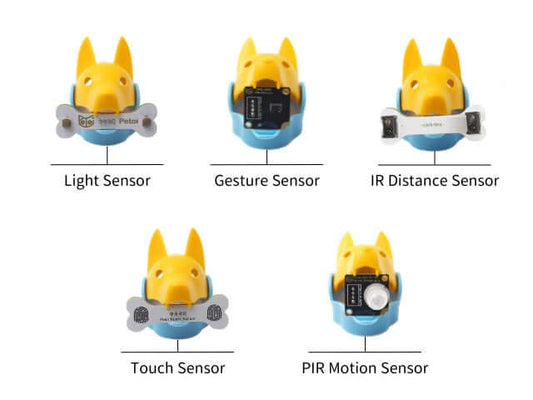
- Expandable: Add sensors, AI modules, or cameras.
- Coding Support: Compatible with Arduino IDE and Python.
Why It's Good for Kids:
Bittle X bridges fun and learning. Younger kids can enjoy it with preloaded tricks, while older learners dive into programming. This adaptability makes it a long-lasting educational investment.
Nybble Q: A Robotic Cat with Personality
If your child loves cats, the Petoi Nybble Q is the perfect fit. As a robotic feline, Nybble Q combines lifelike motion with programmability, making it both adorable and educational.
Key Features:
- Customizable Personality: Program Nybble Q to "play," "rest," "hunt," or wag its tail.
- Lightweight Wooden Frame: Easy for kids to handle and modify.
- Coding-Friendly: Teaches the same programming skills as Bittle X.
- Interactive Play: Works with sensors and modules to respond to the environment.
Why It's Good for Kids:
Nybble Q's smaller size makes it appealing for younger learners, while its programming depth ensures it stays engaging as kids grow their skills. It's a fun way to introduce robotics without overwhelming complexity.
Final Thoughts: Are Robot Pets Good for Kids?
Yes – robot pets are fantastic for kids when chosen wisely. They combine education, play, and creativity, preparing children for a tech-driven future.
Both Petoi Bittle X and Nybble Q strike the perfect balance: they're fun to play with immediately, but also challenging enough to teach real-world STEM and coding skills. Unlike many "toy-only" robots, Petoi pets grow with your child's abilities, making them a long-term investment in learning.
So, if you've ever wondered, are robot pets good for kids?—the answer is clear: with Petoi, they're not just good, they're great.
Ready to bring home a companion that inspires curiosity and teaches invaluable skills? Explore the Petoi Bittle X and Nybble Q today and unlock a world of learning and fun!
Frequently Asked Questions (FAQ)
What is the recommended age for a Petoi robot pet?
The Petoi Bittle X and Nybble Q kits are recommended for children aged 12 and up for independent building and programming. However, with adult supervision, children as young as 8 can successfully complete the assembly and engage with the block-based programming. The platform's scalability means it can grow with your child's skills, from basic visual coding to advanced C++ and Python.
Do children need prior coding or engineering experience?
No prior experience is necessary. Petoi's kits are designed specifically for beginners. The detailed, step-by-step guides and the beginner-friendly visual programming environment allow a child to start building and coding right away. They will learn all the foundational principles as they go. To provide additional support and guidance, we also have a comprehensive library of resources and curriculum available on our website: https://www.petoi.com/pages/resources-curriculum-stem-coding-robot
Are robot pets safe for kids?
Yes. Petoi robots are designed with safety in mind – using lightweight frames, low-voltage components, and beginner-friendly coding environments. Parents should supervise assembly and battery handling for younger kids.
How durable are these robot pets? Can a child's repeated play damage them?
Petoi robot pets are built to be durable and withstand repeated use. They are made from high-quality, long-lasting materials. Furthermore, the open-source nature of the platform means that if a part ever breaks, you can easily 3D-print a replacement part or order one directly from the company, ensuring the robot can be repaired and enjoyed for years to come.
What makes Petoi robots different from toy robots?
Toy robots often come with limited pre-programmed features. Petoi robots are educational platforms – they can be expanded with sensors, AI modules, and new code. They grow with your child's abilities, making them a long-term learning investment.